Founders Q&A: Ian Yates (Chief Technology Officer)
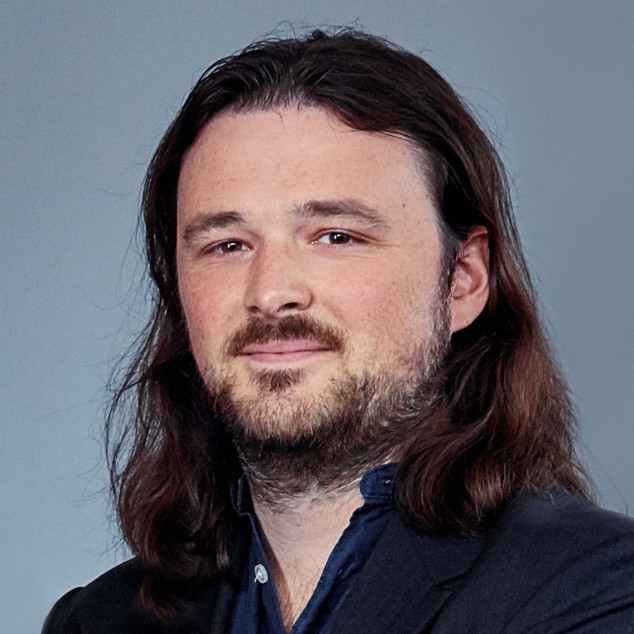
Ian Yates
Co-Founder and Chief Technical Officer
As CTO, Ian provides technical oversight over the Neo platform. Prior to joining the Neo team, he ran a technical consultancy focused on solving technological problems for Tier 1 investment banks.
I’ve lived in London for over 14 years and can’t imagine being anywhere else. That said, one of my main passions is to travel, and I’ve been able to visit every continent except for Antarctica.
Before starting my work at Neo, I ran a technical consultancy which focused on improving technological problems and processes for Tier 1 investment banks.
I’ve known Emmanuel (our Chief Product Officer) from before my time at Neo as we worked together at a consultancy – in fact, I interviewed him! But it was only a few years later that Emmanuel persuaded me to meet Laurent and discuss a vision that would eventually become Neo. We met for coffee in London, so I can almost guarantee it was raining. I also created the first architectural designs in my spare time.
My role is Chief Technology Officer, which means I do a wide range of things day-to-day. This can involve reviewing all the technology choices for our solutions and providing technical oversight over the platform. But it also means I ensure all of our business requirements are achievable in the technological sense, and that this is communicated to the team. In addition, I’m in charge of technical hiring when we expand our team.
A good technical leader must be able to make decisions quickly but must remain open to alternative ideas from other team members. Knowing the limit of your technical skillset is also important, and then finding key hires to plug those gaps is crucial too.
It’s been impressive seeing the number of digital solutions entering the space with new approaches and ideas. Fundamentally, the challenges of treasury management haven’t changed but companies now have far more choice for solutions.
I see treasury departments reviewing their use of legacy platforms a lot more seriously and recognising that they are being held back by outdated processes and systems. I also believe there’s going to be a lot more openness towards trying out new tools and solutions for specific use-cases.